Zumospin Casino Login For Quick Access

Log in, complete your account, set limits and play mobile in Netherlands with a clear overview and support in 2026.

Play Now!
Slot Fortune Gems 2

Table of contents

  • The Dog House Megaways Slot
  • Lucky Joker 10 Extra Gifts Slot
  • Sword of Ares Slot
  • Floating Dragon Hold & Spin Slot
  • Leprechaun Riches Slot
  • Fruit Cocktail Slot
  • The Dog House Megaways Slot
  • Sword of Ares Slot
  • Fruit Million Slot
  • The Dog House Megaways Slot
  • Fruit Box Slot
  • Big Fisherman Slot
  • Seven Books Unlimited Slot
  • Zumospin Casino Fortune Slot
  • Sword of Ares Slot
  • Floating Dragon Hold & Spin Slot
  • 9 Mad Hats Slot
  • Floating Dragon Hold & Spin Slot
  • Big Bass Splash Slot

Tips for Zumospin Login on Mobile in Netherlands

Imagine: you have two minutes, your phone in hand, and you just want to check your balance without getting lost in menus. Many players tap hastily, get distracted by notifications, and then wonder if they are actually logged in. On mobile, it's about small habits that make a big difference.

Play Now!
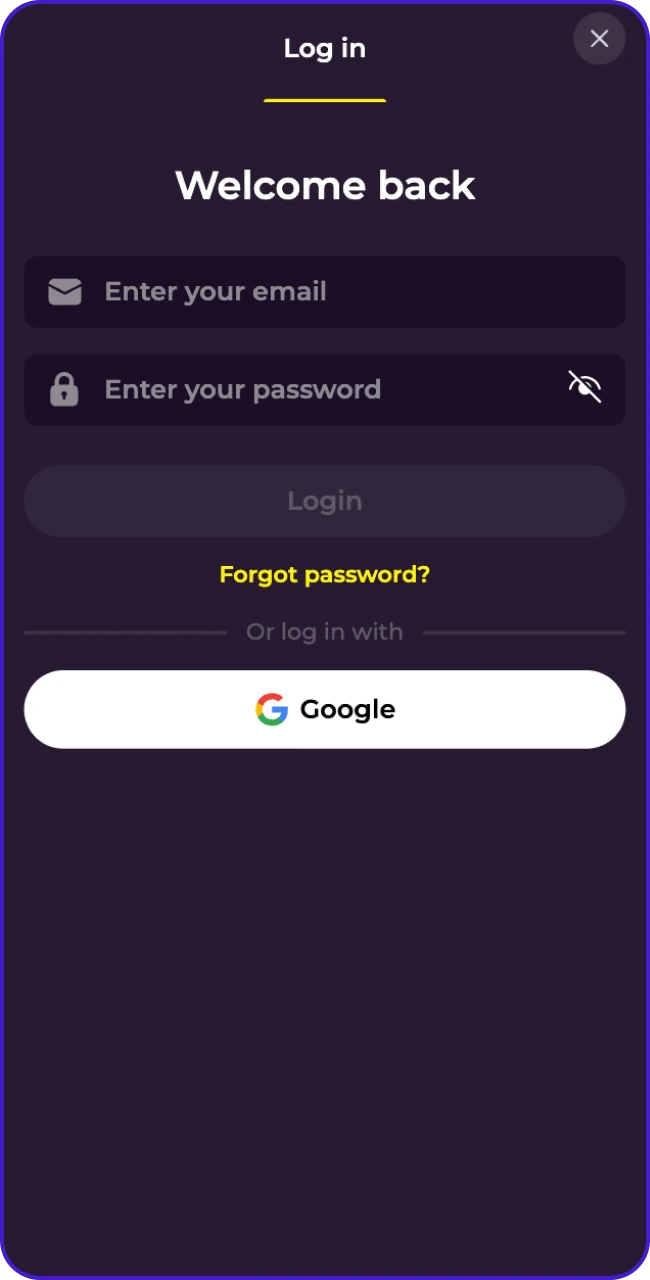
login 1

Start by getting your device in order: screen lock on, automatic lock not too long, and preferably a stable connection before confirming anything. Only then do you open the app or browser environment. If you find yourself having to log in again frequently, don't immediately look at "the system," but at your own routine: do you often switch between Wi-Fi and mobile data, do you close the session properly, and have you saved your data correctly?

In the Netherlands, access is intended for adults (18+) and use must comply with applicable rules. In practice, this means you sometimes see extra steps around security, especially if you are on a new device or doing something sensitive. Staying calm works best: take one step, then check if it succeeded, only then proceed.

Make it easy for yourself with a short sequence: open, log in, immediately check your account section (settings, limits, transactions), and only then play. This way you prevent having to stop in the middle of a session because you still had to set something up.

login 2

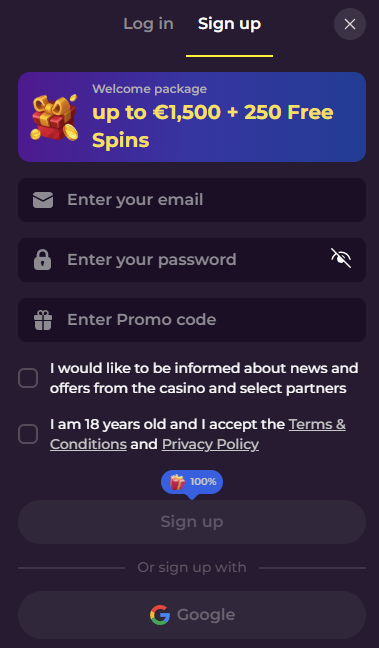
Zumospin Registration Without Stress and Errors

Imagine: you quickly register in the evening, half-distracted, and the next day you notice that you've put a digit wrong in your contact details. Then you're not "stupid," you were just too fast. Registering on mobile goes smoothly, but it requires one calm minute where you truly read what you're filling in.

Play Now!

First, prepare your basics: an email address you can open directly, a correct phone number, and a password you don't use anywhere else. Don't choose a "quick" combination that you'll forget in a week. On mobile, it's tempting to keep it simple, but simple often becomes vulnerable. A sentence you remember (with a few unique elements) usually works better than a short code.

Also think about your game plan before pressing the account button. Many players only look at limits and breaks later, while these are precisely the settings that will help you in 2026 to keep relaxation relaxing. Set a budget limit, set a time reminder, and determine in advance whether you play with short sessions or prefer longer ones occasionally.

If you see that extra verification is requested during creation, consider it normal. The goal is to keep your account secure and prevent important actions from being taken by someone else. Those who go through this properly usually experience less friction later with payouts or changes.

Preparing Your Account For Daily Use In 2026

Imagine: you want to play on the go, but you also want to be able to stop quickly without hassle. Most mobile issues don't arise during gameplay, but around settings: notifications that don't come through, sessions that remain open, or changes you make at precisely the wrong moment. A good setup is therefore not a luxury, but a time-saver.

Play Now!
login 3

After creation, start with three fixed checks: security, limits, and transaction overview. Security concerns your access (password, device lock, possibly biometrics if you prefer that). Limits concern your behavior (time, budget, break). And the transaction overview concerns your peace of mind (you see what has happened, with status and timing).

Stick to one rule: don't change everything at once. If you've just replaced your phone, don't change your payment method, contact details, and password in the same minute. Many players do this out of enthusiasm, but it makes it harder to see where something goes wrong if a check appears. One change at a time, then check, done.

Once this foundation is in place, mobile gaming feels simple. You open, you check your limits, you choose a game, you play a block, and you close properly. That's not “discipline for discipline's sake,” that's the shortest route to clarity.

When Zumospin Register Helps With A Quick Start

Imagine: you have little time and you don't want to navigate extra rounds through menus. It's helpful if you know exactly where your new account steps are and in what order to check them off. Many players start playing and only later figure out how to complete things, which forces them to come back later.

Choose a quiet moment to complete your account: confirm your contact details, review the security options, and set your limits immediately to a level you will truly respect. If you complete this in one session, you won't have to think about it later.

Also, be smart with your environment. On mobile, everything works faster, but your attention span is shorter. Turn off notifications you don't need, keep important alerts on (safety and transaction status), and avoid performing sensitive steps on an unstable network.

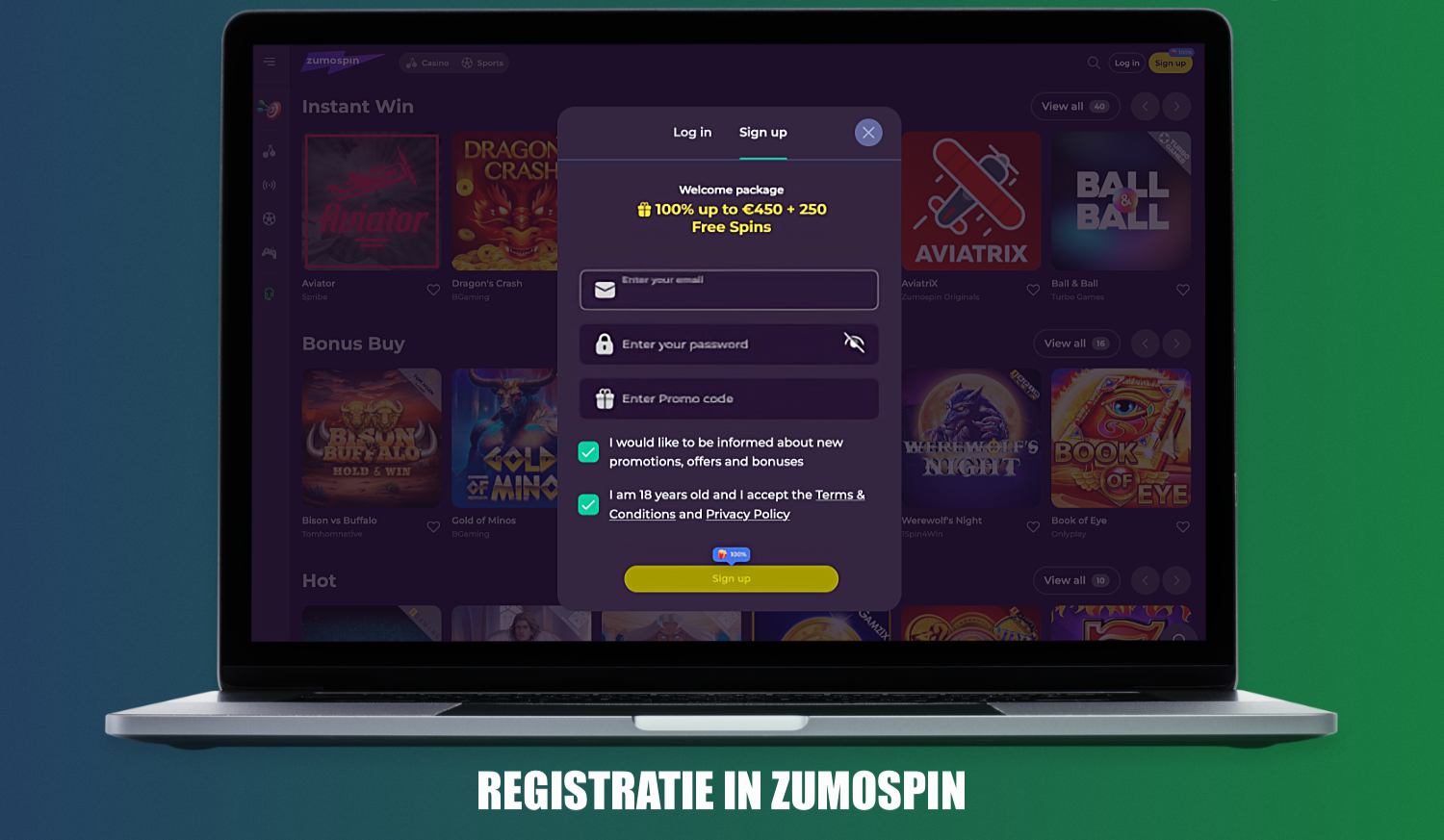
Zumospin Registration and Verification Step By Step

Imagine: you want to request a payout and suddenly you see that an additional confirmation is needed. That feels like a delay, but it's often a logical checkpoint to protect your account. If you understand this beforehand, the process will remain calm in your mind.

Therefore, work step by step: first your profile completely and consistently, then your security, and only then financial transactions. If your data is correct and your account is “complete”, there's less chance you'll have to stop an application later to fix something.

Make it a habit to check your internal messages or notifications occasionally. Not obsessively, but purposefully: after a change, quickly check if something needs to be confirmed. In 2026, that's the fastest way to prevent misunderstandings.

Device Security Without Hassle

Imagine: you're in a cafe, your phone is open on the table, and someone walks past. That one moment is precisely why device lock and automatic logout are so important. You protect yourself not with grand words, but with small settings that are always on.

Use an unguessable screen code, enable biometrics if you prefer, and choose a short automatic lock. If you sometimes lend out your phone, prefer to disable “remember” functions. Less convenience on paper, more peace of mind in practice.

Notifications, Power And Background Processes

Imagine: you're waiting for a status update and receive nothing. Then you start to doubt and re-enter everything. Often, it's not due to the platform, but to power saving or notification permissions on your device.

Therefore, check your settings for notifications and battery management. Allow security and transaction notifications, and mute marketing-like notifications if they bother you. This way, your experience remains calm, and you won't miss anything truly important.


Deposit, Payout And Overview On Mobile

Imagine: you want to make a quick deposit, play for a bit, and later manage your balance without stress. On a small screen, this is perfectly fine, as long as you treat financial transactions as a checklist. One step at a time, then check your overview, and only then proceed.

Choose a payment method that fits your routine. Those who choose a different route every session will more quickly encounter extra checks or lose track. Consistency helps: the same type of data, the same logic, and a clear history.

The same applies to payouts. If you've submitted a request, look at the status, not your feelings. On mobile, a screen might refresh later, which otherwise leads to the classic mistake: reconfirming “just to be sure.” Stop doing that. First, check your transaction list, wait a moment, and only ask for help if you truly see an unclear status path.

In Netherlands, all this falls within an adult framework: 18+ and playing within applicable rules. That sounds formal, but it actually helps structure your behavior. You choose your pace, not your impulse.

Choose A Payment Method That Helps You Later

Imagine: you deposit quickly today and don't think about tomorrow. Then, later, during a payout, you suddenly encounter extra steps, simply because your route wasn't consistent. Therefore, choose a method you understand and can use more often, especially if you play on mobile.

Before confirming, check three things: amount, connection, and whether your limits are still set as you want them. Sounds simple, but this prevents most “how can this be?” moments. And if you're on the go, it's better to wait one minute for a stable internet connection than to spend ten minutes later checking status.

Understand Statuses In Your Transaction Overview

Imagine: you don't see an immediate balance effect and you become restless. Many players only look at the balance and forget that the overview with statuses is the real source of truth. There you see if something is in process, confirmed, or still requires an additional step.

Establish a routine: after each deposit or request, open the history once, check the date and status, and then close it. Don't keep refreshing. If you want to find something later, note the time and amount for yourself. That also makes contacting support much easier later on.

Payout Without Extra Changes On The Go

Imagine: you request a payout and then decide you want to adjust your profile. Don't do it. Changes during an ongoing process are precisely what can cause delays, because the system wants to re-examine your account for security.

Before submitting, check your details and chosen method. After submitting, let the process run and follow the status at a calm pace. If a request for extra confirmation arises, complete it properly, without changing other sections.

Moment In Your Session

What You Do

What To Look Out For

Quick Check Afterwards

Before You Start

You review your limits

Time reminder, budget limit, break

Settings are active

For A Deposit

You confirm once

Amount, network, battery

Transaction is in overview

While Playing

You play in blocks

Pacing, stopping moment, rest

Your plan has been followed

Upon Request

You submit one request

No extra changes

Status is visible

When in Doubt

You don't repeat immediately

First open history

No duplicate actions

After Closing

You log out and lock

Do not leave session open

Your device is safe

Responsible Gaming: Limits, Timeout and Support

Imagine: you notice you're clicking faster and thinking less. That's usually not the time to “just push through it”, but to hit the brakes. On mobile, it's extra tempting because everything moves fast, so it's best to build in your control beforehand.

Use limits as standard. A deposit limit, a time limit or a loss limit helps you keep your session within your own plan. Add a timeout for moments when you feel your rhythm breaking. And if you truly want distance, self-exclusion is the clear choice.

In Netherlands, this is mature gaming behavior: 18+ and consciously managing your time and money within the applicable rules. It's not about “perfect”, but about predictable. Those who act predictably experience less stress, less self-argument, and fewer impulsive decisions.

Setting Limits You Can Truly Maintain

Imagine: you set a limit extremely low “to be strict” and you hit it immediately. Then you'll quickly feel frustration and look for ways to circumvent it. Instead, choose a limit you find practical: strict enough to protect you, generous enough to remain realistic.

Link your limits to specific times. Do you mostly play late? Then add extra protection there. Do you play briefly during the day? Then make your sessions short and clear. This is not morality, this is designing your own routine.

Using Timeout When Impulse Takes Over

Imagine: you want “just one more time” and you feel you're no longer playing according to plan. That's exactly the situation a timeout is for. You stop for a moment, put your phone away, and come back later with more calm.

It only works if you use it seriously. A five-minute timeout while you keep scrolling helps little. Use that break to create distance: get water, walk around, do something else. Only then decide if you're coming back.

Choosing Self-Exclusion When You Want Distance

Imagine: you know you need a week of rest, but you don't trust yourself to do it “tomorrow”. Then you opt for a longer blockade, so the decision doesn't have to be made again every day.

See it as an agreement with yourself. You remove the temptation, and you give your mind space. When you return, you start over with limits and short sessions. That is often the most stable way to keep it healthy.

Contacting Support With Concrete Information

Imagine: you write “it's not working” when you actually mean something very specific. Then you get a questionnaire back and lose time. First gather facts: what did you do, when, what amount (if it concerns a transaction), and what status did you see.

Also mention your device type and whether you were on Wi-Fi or mobile data. If there was an error message, note it literally. With these details, support can help more targeted and no one has to guess. That makes the whole process calmer, especially on mobile.

Daily Routine For Fast And Calm Gaming

Imagine: you often play briefly, between appointments. Then you don't want to re-discover where everything is every time. A fixed routine makes mobile gaming light and predictable: you know what you're doing and you know when to stop.

Keep it simple: open, check your limits, view your history if you just made a request, play one block, close. If you notice your routine getting messy, use a break to choose again. In 2026, that's the real luxury: calm, not speed.

Checklist To Close Every Session Properly

Imagine you're done, but your phone remains open on the table. Then closing is a safety step, not a formality. Log out, lock your screen, and check your transaction status once, so you know where you stand.

Work with six steps: check limits, determine budget, choose game, stop on time, check status, close session. If you repeat this, your experience in Netherlands remains clear and mature, without much effort.

FAQ

First ensure a stable connection and sufficient battery, so you are not interrupted halfway. Calmly fill in your details, read through once, and only then confirm, instead of clicking through quickly. Immediately set a strong password and screen lock, so your account is not vulnerable if your phone is out of sight for a moment. After completing, check if your profile is complete and where your history and settings are, so you don't have to search later.

Stay calm and don't try ten variations in a row, as that will mainly stress you out. Use the recovery option and ensure you have access to the email or phone you used to open your account. Then choose a new password that you don't use anywhere else and close old sessions if possible, so your account remains clean. If you don't receive confirmations, check your notifications, spam filters, and connection before contacting support.

Imagine someone has your phone for a moment and tries to change something. Extra confirmations are there to protect your account and to ensure that its use remains intended for adults (18+) within applicable rules. This may happen more often with a new device, with changes to account details, or with a withdrawal request. You help yourself by keeping your data consistent and not making multiple major changes at once.

Determine your time and budget in advance, and only start playing when those limits are active in your settings. Play in blocks and use a reminder, so you don't “accidentally” get stuck on mobile. If you notice yourself clicking faster or abandoning your plan, turn on a pause and put your phone away. Short sessions work best if you also close properly: check status, log out, lock screen.

After submitting, check if your request is in your transaction overview and look at the status, instead of just staring at your balance. Don't refresh every minute, but give the process time and check at fixed times. Do not change profile or payment settings during an ongoing request, as this can trigger additional checks. If something remains unclear, note the time and amount and ask support specifically to investigate.

Only conduct money transactions on a stable connection and do not press “for certainty” again after confirmation. Immediately check your transaction overview to see if the action is registered, with status and time. If you see nothing, wait briefly, refresh once, and check your network, instead of confirming again. A fixed routine helps: one action, one check, then proceed.

If you find yourself playing out of frustration, to win back losses, or because you “can’t stop,” a longer break is often the best choice. A short timeout helps break the impulse, but sometimes you truly want distance without daily temptation. In that case, use self-exclusion as a clear agreement with yourself, so you don't have to keep deciding. When you return, start with limits and short sessions to build up calmly again.

Play Now