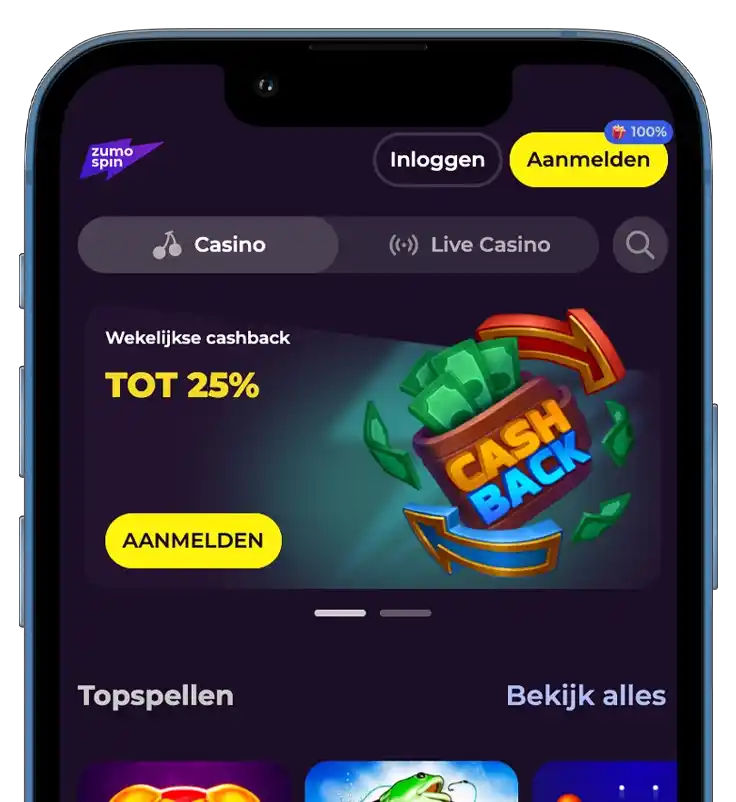
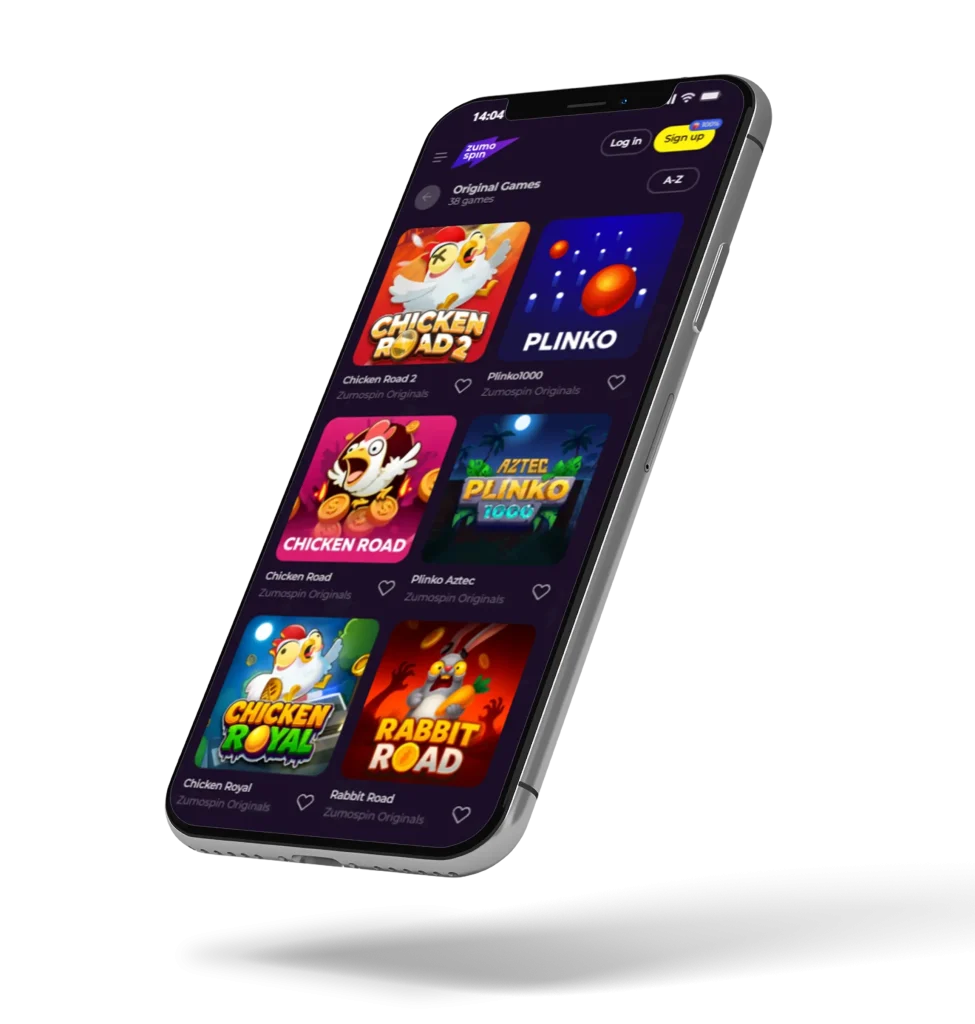
Zumospin Mobile App In Netherlands

Install, log in, set limits and play mobile at Zumospin in Netherlands with overview and support in 2026.

Play Now!
Slot Fortune Gems 2

Table of contents

  • The Dog House Megaways Slot
  • Lucky Joker 10 Extra Gifts Slot
  • Sword of Ares Slot
  • Floating Dragon Hold & Spin Slot
  • Leprechaun Riches Slot
  • Fruit Coctail Slot
  • The Dog House Megaways Slot
  • Sword of Ares Slot
  • Fruit Million Slot
  • The Dog House Megaways Slot
  • Fruit Box Slot
  • Big Fisherman Slot
  • Seven Books Unlimited Slot
  • Zumospin Casino Fortune Slot
  • Sword of Ares Slot
  • Floating Dragon Hold & Spin Slot
  • 9 Mad Hats Slot
  • Floating Dragon Hold & Spin Slot
  • Big Bass Splash Slot

Zumospin App Download in the Netherlands: First Setup

Starting mobile is smoothest if you first prepare your device and only then start playing. Think of three basics: enough storage space, a stable connection, and a recent system update. In 2026, you'll see that apps crash faster due to full storage than due to “bugs”, especially when you have chat apps, video, and games open simultaneously.

Play Now!
app 1

Imagine: you start the installation on the go, Wi-Fi drops, and you automatically switch to mobile internet. Many players then get a partially working installation and think the platform is broken. The practical approach is simple: remove the incomplete version, restart your device, and try again on a quiet, stable connection.

After the first start, there's one thing you shouldn't do: immediately click on everything that moves. First, open your account section, check if notifications are on for confirmations, and immediately set your basic limits, so you don't have to search later.

Zumospin Casino App: Logging In and Navigating

Once you're in, you primarily want an overview: balance, recent actions, game history, and responsible gaming settings. A mobile environment is fast, but that also means a double tap or a quick swipe can lead to errors more quickly. Therefore, a fixed order works best: log in, check the dashboard, check settings, and only then open a game.

Play Now!
app 2

Imagine: you open a game, you get a notification about a confirmation, and you dismiss it because you “want to play now”. Later you wonder why something wasn't processed. Therefore, always start with your notifications and status overview - that's your anchor, especially for transactions.

On mobile, players often switch between devices (phone, tablet, laptop). Neatly close a session on one device before continuing on another. This prevents unexpected logouts or additional checks when you're in a hurry.

app 3

Zumospin Apk Download: Hassle-Free Android Installation

Some players on Android use an installation file instead of an app store. That's possible, but it requires extra caution. You want to know exactly what you're installing, which permissions you're allowing, and how you'll manage updates later. In 2026, “quickly grabbing a file” is often the source of problems: strange pop-ups, slow performance, or settings that suddenly feel different.

Play Now!

Imagine: you download something hastily, you click 'agree' everywhere, and then you notice your device getting warm or apps responding slowly. The mature choice is not to “keep clicking”, but to stop: delete, restart your device, and only reinstall when you are sure the source is reliable.

Make it easy for yourself: preferably install when you're calm, with sufficient battery and a stable connection. After installation, immediately check notifications, security, and limits, so you don't have to fiddle around in the middle of a session.

Zumospin App Android: Setting Up Stable Sessions

A stable mobile session revolves around three buttons many players forget: power saving, background data, and notifications. If your phone aggressively “sleeps” apps, your session can refresh as soon as your screen dims. This is especially annoying with live games or confirmations, because you then return to a reloaded screen and doubt what just happened.

Imagine: you play a few rounds, you get a message, you switch to another app and you come back - everything is reloaded. Instead of clicking 'continue' immediately, first go to your overview: check balance and recent actions, and only then resume.

Set your device so that the app is not immediately closed in the background during a session. And always close neatly afterwards, so you don't later “accidentally” fall back into a half-open session without a plan.

Zumospin Android: Notifications, Security, and Updates

Notifications are useful if you use them smartly. Keep account and security notifications on, so you don't miss confirmations and status updates, but limit advertising-like notifications if they make you uneasy. Security also starts with your own behavior: lock your screen, use a unique password, and log out on shared devices.

Imagine: you lend your phone to someone for a moment and your session is still open. That's exactly how misunderstandings arise. Make it a habit to log out after your session and lock your phone, especially if you often play on the go.

Updates are not “optional” in 2026. They improve stability and confirmation screens. If you don't update for a long time, you'll more often experience slow menus or buttons that react with a delay. So, update at a quiet moment, then check your limits and notification settings, and only then start playing again.

Smartly Managing Battery, Network, and Storage

A mobile session runs smoothest with sufficient battery and a stable network. Don't constantly turn your Wi-Fi or mobile internet on and off while playing, as that causes reload moments. Also, keep storage space free, as full storage causes crashes when opening games, history, or payment menus.

Imagine: your phone is at 5% battery and you think “I'll just quickly do one more thing”. Then, at precisely the wrong moment, you get a crash or a restart. First, charge up, close unnecessary apps, and only then start a session, so you don't have to restore everything halfway through.

Neatly Ending a Session and Maintaining Overview

Many mobile players stop by simply closing the screen. That feels logical, but it's not always neat. A better routine: return to the dashboard, a quick check of balance and recent actions, then close and optionally log out on shared devices.

Imagine: you close the app and later open it again “just to look”, but you're immediately back in game mode. If you close with a dashboard check, the next start will be calmer and more conscious, because you start with an overview again.


Choosing Games and Understanding Live Table Pace

On mobile, the offering is large and the temptation to scroll is even greater. Those who want to try everything will quickly lose track of stakes, time, and emotion. The best approach is small: choose two or three games for your session, set a fixed betting line, and stick to your schedule. In 2026, this is the simplest way to keep entertainment fun, without it becoming a “project”.

Imagine: you open the lobby late in the evening, you click on the first thing that catches your eye, and after ten minutes everything feels chaotic. Often this is not due to the game, but due to too much switching. Choose consciously, play briefly, stop on time.

Choosing Games With A Short Session Goal

A session goal is not a marketing term, it's a practical limit. For example, you choose: “15 minutes of testing”, “one short live table”, or “only check balance and history”. Once your goal is clear, choose games that fit it and leave the rest.

Imagine: you feel restless after a few rounds and you immediately want to switch to something “faster”. That's usually when your pace increases. Pause for one minute, look at your time and budget, and then decide whether to continue or stop.

When tired, choose simplicity. A simple game with a fixed stake prevents you from acting on reflex and helps you truly implement your stop rule.

Bet Management And Pace In Practice

On mobile, you make misclicks faster, so a fixed stake often works better than constantly adjusting. Start with an amount that feels comfortable, only increase if you consciously choose to, and decrease as soon as you notice you're playing to fix a feeling.

Imagine: you lose two rounds and you think “I'll bet bigger now to get back”. That's exactly the pitfall. A simple rule helps: if you want to increase out of frustration, first skip one round, or log out for a bit and come back later with a clear head.

Pace is also mental: the faster you click, the less you reflect. By keeping your stake stable and building in check moments, you play more calmly and make fewer mistakes.

Favorites, History, And Quick Navigation

Use favorites to scroll less. Less scrolling means fewer impulse choices. Additionally, regularly check your game and transaction history, so you're not living by feel but by what you've actually done.

Imagine: you're not sure if you just confirmed a payment or just opened a screen. Instead of trying again, go to your overview and check the status. That's faster and it prevents duplicate work.

Make navigation a routine: dashboard first, then game, then back to dashboard. It sounds boring, but it prevents your session from “running over” because you get lost in menus.

Depositing, Withdrawing, And Limits In Netherlands

Financial matters require calm. The best rule of thumb is: one action at a time, then check. Deposit with a plan, withdraw with patience, and set limits beforehand - not when you're already agitated. In Netherlands, responsible play is standard, and that means taking your own boundaries seriously.

Subject

What You Check

Common Mistake

Practical Tip

Deposit

Amount, confirmation, status

Double-tapping out of haste

Confirm once, then check overview

Withdrawal

Profile and status step

Changing during processing

Do not adjust anything until it's done

Limits

Daily or weekly limit, time alert

Setting the limit only later

Limit first, then play

Notifications

Confirmations and warnings

Turning everything off

Only account and security alerts on

Support

Time, amount, message

Explaining too vaguely

One topic, brief facts

Imagine: you deposit, you play, and you immediately want to deposit again because things are “going well”. That's when limits help you. Set your limit beforehand and let that limit do the work, so you don't have to decide in the middle of emotion.

Depositing With A Budget And One Action At A Time

Start with one question: how much can I lose without stress? Set that amount as your session budget and then confirm only once. If a screen loads slowly, don't repeat - check your transaction overview.

Imagine: you confirm, the screen keeps spinning, and you feel the urge to click again. Many players create confusion this way. Wait briefly, open your overview, and see if there's a status update. Only if nothing is truly there, take the next step.

Also choose a moment to deposit when you are calm. Depositing out of frustration or haste more often leads to regret than to pleasure.

Following Payouts Without Stress

Payouts often proceed in steps. The most important thing is to keep your profile stable and change as little as possible during processing. If an extra confirmation is needed, respond fully and clearly once.

Imagine: you submit a request and then you go and “clean up” your profile. Many players do that and unintentionally trigger extra checks. The simplest route is: get everything in order first, then apply, then wait.

Check your status at fixed times, not every minute. Constantly checking makes you restless, and restlessness leads to clumsy actions.

Limits, Timeouts, And Self-Exclusion

Limits only truly work if you see them as a tool, not a blockade. Start with a deposit limit and a time alert. Add a timeout when you notice your sessions are lasting longer than intended or that you're coming back more often without real desire.

Imagine: you say “just one more” three times and you still don't stop. That's when a break helps you choose again. Log out, set a timeout, and only come back when you have a plan again.

If playing is more often a habit than a pleasure, a longer break or self-exclusion is a mature option. This protects your peace of mind, your budget, and your daily life.

Approach Support With Facts And Not With Emotion

Support works fastest if you are specific: device, network, time, what exactly you did, and what message you saw. Keep one topic per message, otherwise it becomes messy and you'll get a partial answer.

Imagine: you write 'it's not working'. Then you get a standard checklist. If you write 'after confirmation, the status remains unchanged since this time', someone can provide targeted help.

Before contacting support, do three quick checks: restart the app, switch networks once, and check storage space. If it's still stuck, you'll immediately have the correct information to pass on.

Short Routine For Mobile Gaming In 2026

Those who want to keep it simple choose a routine that is almost boring: open, check overview, control limits, play within plan, close with dashboard check. In 2026, this is the fastest way to play mobile without your session overrunning or feeling chaotic.

Imagine: you want a short session, but you get lost in menus and your time is gone. With a fixed routine, you keep yourself on track: first overview, then action, then stop.

In Netherlands, it is normal to play responsibly. Use the tools available and don't be afraid to take a break if you notice that tempo or emotion becomes too much.

Quick Checklist For Every New Session

Start with three questions: how much time do I have, what is my budget, and what is my goal today? Then set your time warning and deposit limit, check your connection, and only then start a game.

Imagine: you start without a plan and after ten minutes you notice irritation or haste. Then you'll click faster and make mistakes. With a checklist, you've already determined your stopping point and don't have to negotiate with your mood.

End each session with the same step: dashboard, check recent activities, then close. That makes the next session calmer and more conscious.

FAQ

Start with sufficient storage space and a stable connection, and complete the installation in one go without switching networks in between. Imagine starting on the go and your connection constantly changes: then the installation might hang halfway, and everything feels slow. In that case, remove the incomplete installation, restart your device, and try again later in a quiet place. Then immediately turn on notifications for account confirmations and your basic limits so you don't have to search in the middle of a session.

First, check your keyboard language, caps lock, and if no space has been copied, then try again calmly once. Imagine trying quickly ten times out of irritation: then you might be temporarily blocked and spend more time. It's better to use the recovery step if you doubt your password and check if there's a confirmation ready in your account notifications. Update your app and device if the problem recurs, as outdated versions often cause slow or incomplete loading.

Before you start, set a deposit limit and a time warning, and choose a stopping rule that you can easily adhere to. Imagine thinking 'just one more round' and repeating that several times: that's the signal that you're in a reflex. Take a timeout, close the app, and only come back when you have a plan again. A budget works best when it fits your real life, not a goal to win.

Statuses sometimes progress in steps, depending on the method and checks, and it helps to check at fixed times instead of constantly refreshing. Imagine checking every minute and becoming restless: then you'll repeat the same action and lose track. Look at your transaction overview, note the time and amount, and wait for the update before doing anything again. If an extra confirmation is requested, respond fully once and then let the process continue.

A break is wise as soon as you notice you are playing out of frustration, habit, or because your pace is accelerating. Imagine opening the app without pleasure, purely to 'just check', and you get stuck: that's exactly the moment for a timeout. A short interruption breaks the automatic pattern, allowing you to consciously choose again later. If you notice this happening often, a longer break or self-exclusion is a mature way to regain control.

Write briefly and factually: device, network, time, action, and the exact message you see, plus what you've already tried. Imagine just saying 'it's not working': then you'll get standard advice and it will take extra time. With concrete details, support can respond specifically, and you'll have less back-and-forth communication. Keep one topic per message so the answer remains truly useful.

End with a fixed routine: go back to your dashboard, check your recent activities, then close the app, and log out on shared devices. Imagine simply swiping away the app while you're still in a game: later you open it and you're immediately back in the same flow without a plan. With a dashboard check, you start the next time with an overview instead of impulsively. This small ritual makes mobile gaming calmer and helps you better manage your time and budget.

Play Now